Why Smart Money Is Betting Big on Secondary Cities
Priced out of overheated capitals, investors are pouring into secondary cities with strong jobs and infrastructure. Here's where smart money is moving next.
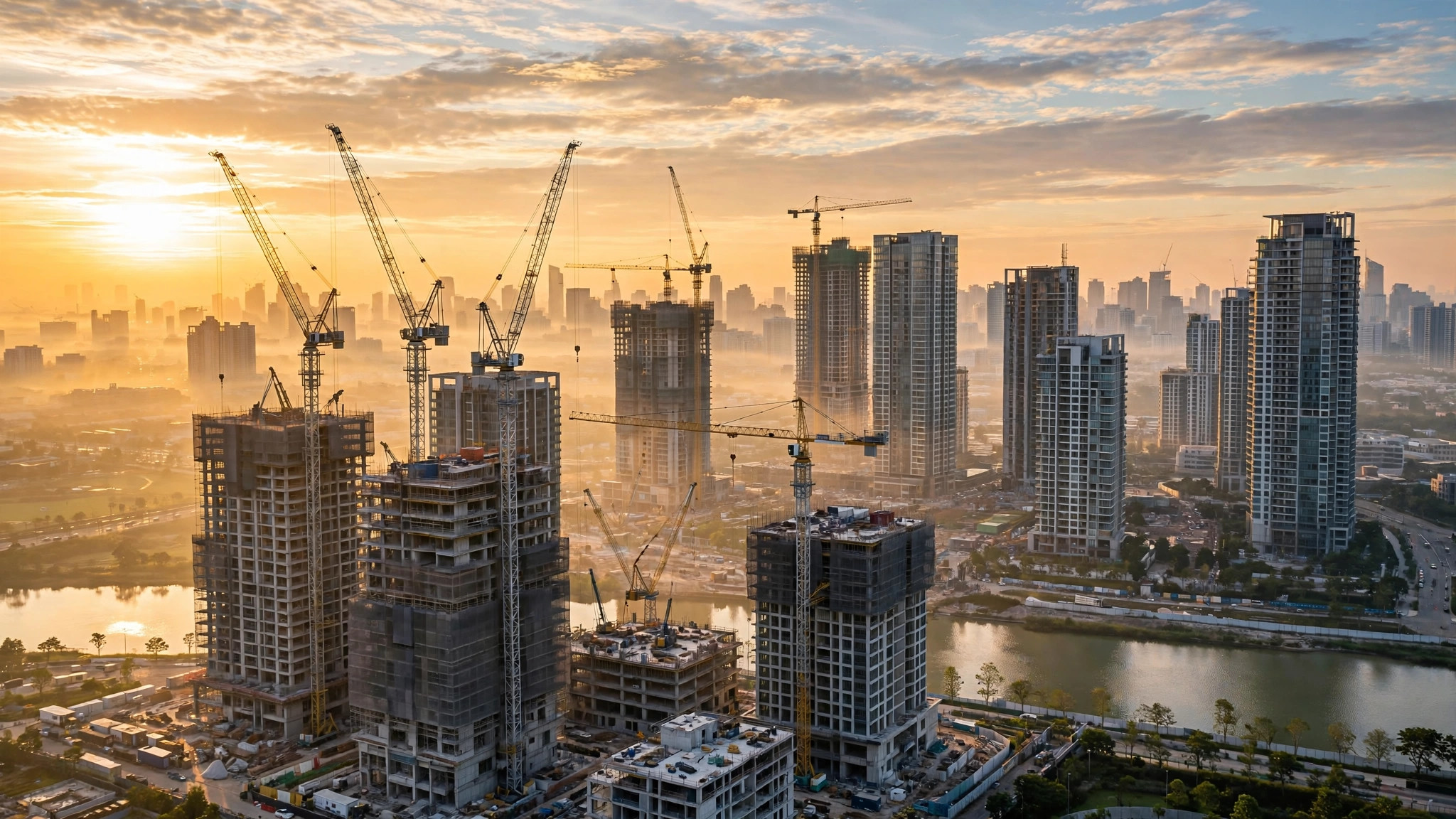
The world's great capitals have become victims of their own success. In London, New York, Singapore and Sydney, prime yields have compressed to levels that barely compensate for risk, while price-to-income ratios have stretched beyond what local wages can support. For institutional investors hunting returns, the math in tier-one cities no longer works — which is why the smart money is quietly migrating to secondary cities.
From Austin to Manchester, from Osaka's satellite hubs to the logistics corridors of central Europe, a new map of opportunity is being drawn. These are cities with real economies — universities, corporate relocations, infrastructure spending — and property markets still priced for growth rather than prestige. Forbes examined where sophisticated capital is moving, and why the secondary-city thesis has become one of real estate's most compelling stories.
The Math Behind the Migration
The logic is brutally simple. When a prime London office yields barely 4 percent and a comparable asset in Manchester yields closer to 6.5 percent, the spread pays for a great deal of uncertainty. Add rental growth — secondary cities are adding jobs faster than capitals in many markets — and the total-return picture tilts decisively. According to Bloomberg, cross-border capital flows into regional markets have grown markedly as investors chase that spread, with pension funds and sovereign vehicles leading the way.
Remote and hybrid work accelerated the shift. When talent can live anywhere, employers follow — and when employers move, housing demand follows. Corporate relocations that would once have been unthinkable outside the capital are now routine, creating the employment anchors that underpin durable residential demand for years to come.
The Anatomy of a Winning Secondary City
Not every regional city qualifies. The winners share a recognizable formula: a research university producing skilled graduates, transport links to the capital measured in minutes rather than hours, and a visible pipeline of public and private infrastructure investment. Where those ingredients combine, property markets tend to outperform for a decade or more.
- Employment anchors — corporate headquarters, hospitals or universities that generate stable, high-wage demand.
- Connectivity — high-speed rail or short flights that make the city a viable alternative to the capital.
- Supply discipline — planning regimes that prevent the boom-bust oversupply cycles of past decades.
- Demographic momentum — net inward migration of young professionals, the surest leading indicator of rental growth.
- Yield cushion — entry pricing that still compensates investors if growth arrives more slowly than hoped.
Where the Money Is Going
The capital is already moving. In the United States, Sun Belt hubs continue to absorb corporate relocations, while in Europe, cities like Manchester, Birmingham and Lyon are capturing investment once reserved for London and Paris. In Asia-Pacific, satellite cities around Tokyo and Seoul are benefiting as governments actively push decentralization.
The pattern repeats across continents with local variations. In the Gulf, secondary emirates are capturing spillover from Dubai's record run; in India, tier-two technology hubs are drawing both employers and homebuyers priced out of Mumbai and Bengaluru. The common thread is affordability arbitrage: capital moves first, talent follows, and prices adjust upward in sequence.
Logistics: The Quiet Winner
Among property segments, logistics real estate along secondary-city corridors has been one of the strongest performers globally. E-commerce fulfillment, nearshoring and supply-chain resilience have turned warehouses near regional hubs into institutional-grade assets, with vacancy rates in many markets still near historic lows despite heavy development.
The Risks Nobody Talks About
The thesis is not bulletproof. Secondary markets are less liquid: when sentiment turns, exiting a large position takes longer and costs more. Local economies can be concentrated around one or two employers, and infrastructure promises are sometimes delayed or diluted. The International Monetary Fund has cautioned that rapid price appreciation in regional markets can unwind quickly if interest rates remain elevated for longer than expected.
"In prime capitals you pay for prestige. In secondary cities you get paid for growth — if you choose the right city."
For private investors, the practical takeaway is selectivity. The secondary-city story rewards homework: walk the high street, check the train timetable, count the cranes. The gap between the best and worst regional markets is wider than in capitals, which means diligence matters more — but for those willing to do the work, the next decade of real estate returns may well be made far from the capitals.