How Luxury Fashion Brands Are Winning Gen Z in 2026
Heritage fashion houses once ignored young shoppers. Now Gen Z drives luxury growth — inside the industry's high-stakes campaign to win their loyalty.
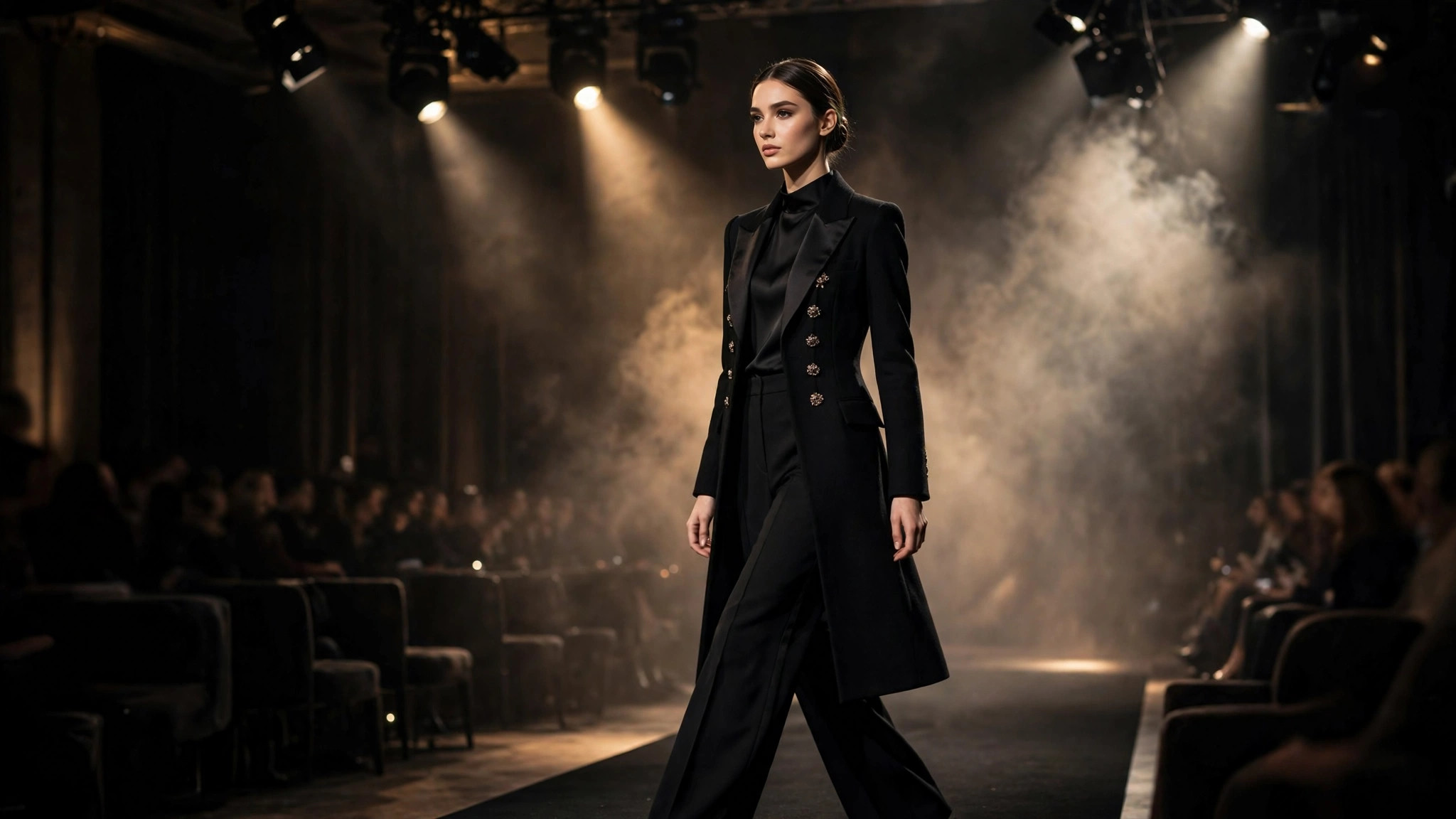
A decade ago, luxury fashion houses treated young consumers as an afterthought — nice for the future, irrelevant to the quarterly numbers. That era is over. Shoppers under 30 now account for a fast-growing share of luxury spending, and industry forecasts suggest they will drive the majority of the market's growth through the end of the decade. The houses that once sniffed at streetwear now chase it.
Winning over Gen Z has forced heritage brands to rewrite rules they spent a century perfecting. Exclusivity had to coexist with accessibility. Craftsmanship had to be proven, not merely claimed. And values — sustainability, inclusivity, authenticity — became as important as the logo on the bag. Here is how luxury learned to speak Gen Z.
From Gatekeeping to Community
The old luxury playbook was gatekeeping: intimidating boutiques, stratospheric prices, advertising in glossy magazines. Gen Z does not do gates. The winning brands replaced them with community — gaming collaborations, pop-ups in unexpected neighborhoods, and creative directors who operate as cultural figures first and designers second. Access became the new exclusivity: limited drops, waitlists, and member previews that feel participatory rather than exclusionary.
As Forbes has reported on the business of luxury, the houses growing fastest are those treating young consumers as collaborators rather than customers — co-creating products, amplifying fan content, and letting communities shape the narrative.
The numbers tell the story. Houses that invested early in youth culture — through music, sport, and digital creators — consistently outperform peers in revenue growth, while those clinging to old exclusivity models watch their customer base age. Cultural relevance has become a leading indicator of financial performance.
Sustainability as a Status Symbol
For Gen Z, a brand's ethics are part of the product. Resale platforms, certified pre-owned programs, and transparent supply chains have moved from CSR footnotes to core strategy. The smartest houses stopped fighting the secondhand market and started owning it — authentication services, resale partnerships, and repair programs that extend a product's life while deepening the customer relationship.
Research highlighted by the World Economic Forum shows younger consumers weigh sustainability heavily in purchase decisions, often ranking it alongside price and quality. For luxury, that is a profound shift: the ultimate status symbol is no longer just what you own, but what your ownership says about you.
Transparency has become table stakes. Blockchain-based product passports, published supplier lists, and third-party certifications let skeptical young buyers verify claims themselves. Greenwashing, once a PR risk, is now an existential one — and the brands thriving are those that opened their books before they were forced to.
The resale revolution
Certified pre-owned luxury is now one of the industry's fastest-growing segments. Far from cannibalizing new sales, resale funnels aspirational buyers into the brand ecosystem — today's vintage buyer is tomorrow's flagship client.
The Price of Getting It Wrong
None of this is easy to execute, and the penalties for missteps are severe:
- Brands that ignored young consumers watched their customer base age out while growth stalled.
- Discounting to chase volume erodes the very exclusivity that justifies luxury pricing.
- Performative activism gets called out within hours — this generation fact-checks everything.
- Half-hearted collaborations read as cynical; success demands genuine creative risk.
What's Next for Luxury's Youth Bet
The next frontier blends the physical and digital: virtual try-ons, authenticated digital twins of physical goods, and flagship experiences engineered for sharing. The houses that thrive will grasp a fundamental shift — Gen Z does not buy luxury to join the old world; they buy it to build their own. Luxury groups' earnings calls now revolve around young-consumer metrics, as Bloomberg's coverage of the sector makes clear.
Pricing strategy is evolving too. Rather than blanket increases, houses are tiering their offer — entry-level accessories and beauty lines that welcome young buyers without diluting the top end. It is a delicate balance: accessible enough to recruit, exclusive enough to aspire to.
Gen Z doesn't want to be sold luxury. They want to be let in on it.
The heritage houses that master that distinction will own the next decade of luxury. Those that don't will become beautiful museums — admired, visited, and quietly irrelevant.
None of this diminishes craftsmanship — if anything, it raises the bar. Young buyers will pay more than ever for things made well and made honestly. They simply refuse to pay for mystique alone.