The Highest-ROI Home Renovations Worth Doing in 2026
Not every upgrade pays for itself. These are the 2026 renovation projects with the strongest return on investment — plus the expensive mistakes to avoid.
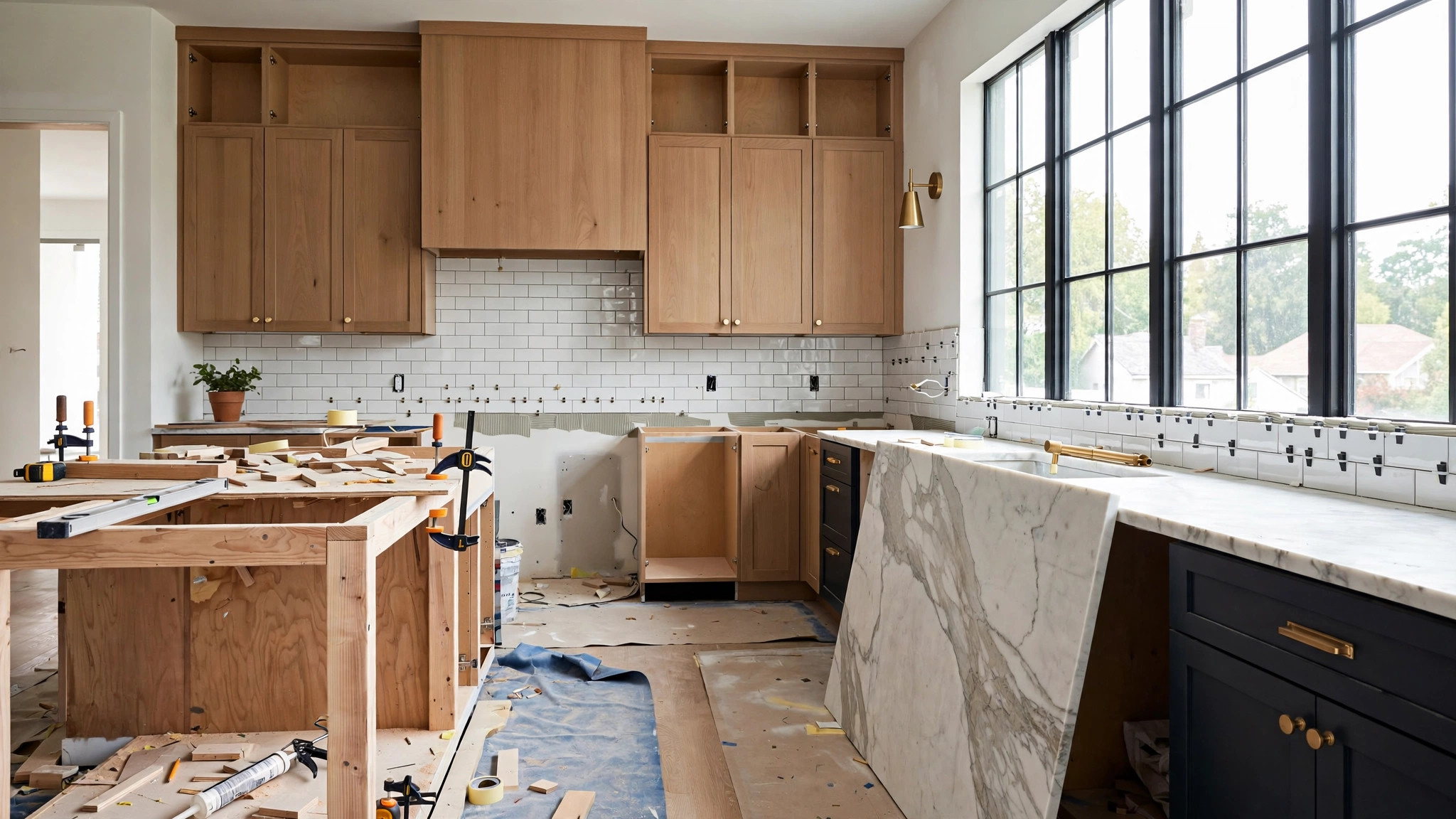
Every year, homeowners pour hundreds of billions of dollars into home renovations. In 2026, with mortgage rates still elevated and existing-home inventory tight, remodeling has overtaken moving for millions of households. But not all projects are created equal: some home renovations return nearly every dollar at resale, while others quietly destroy value.
The difference between a smart renovation and an expensive hobby comes down to a single metric: return on investment. Industry cost-versus-value data consistently shows that the highest-ROI projects share three traits — they fix what buyers notice first, they improve energy performance, and they stay disciplined in scope. Here is where the money works hardest this year.
Kitchen Remodels Still Lead the Pack
The kitchen remains the undisputed king of renovation ROI. A minor kitchen remodel — refacing cabinets, new countertops, updated appliances, fresh paint — routinely recoups 70 to 80 percent of its cost at resale. The key word is minor: full gut renovations with luxury finishes rarely pay back proportionally, because buyers will not pay twice for someone else's taste.
Why do kitchens perform so reliably? Buyers make emotional decisions in the first ninety seconds of a showing, and the kitchen anchors that impression. Stainless appliances, stone counters, and layered lighting photograph well and appraise well. As Forbes has noted in its coverage of housing trends, move-in-ready kitchens remain the single biggest driver of offers above asking price in competitive markets.
Where to put the dollars
Concentrate spending on visible surfaces and function: cabinet fronts, hardware, lighting, and one statement element such as a stone island or a professional-grade range. Keep the existing layout wherever possible — moving plumbing and gas lines is where renovation budgets go to die, adding tens of thousands in cost with zero visible payoff.
Timing matters too. Contractor availability has eased from the pandemic-era crunch, and material prices for lumber and fixtures have stabilized — making 2026 a comparatively sane year to build. Smart renovators are locking in fixed-price contracts now, before the next demand cycle tightens schedules again.
Energy Efficiency: The Quiet ROI Winner
The sleeper hit of 2026 is the energy retrofit. Heat pumps, attic insulation, air sealing, and high-performance windows do not photograph as dramatically as a marble backsplash, but they cut utility bills by 20 to 40 percent and increasingly show up in appraisals. With tax incentives still available for many upgrades, the effective payback period has shrunk to as little as five to seven years in high-cost energy states.
With energy prices remaining volatile, buyers now ask about utility bills the way they once asked about school districts. A documented history of low energy costs has become a genuine selling point — and unlike cosmetic trends, efficiency never goes out of style.
Where the Money Gets Wasted
For every dollar well spent, there is a renovation that returns pennies on the dollar. The usual suspects have not changed, even as design trends cycle:
- Swimming pools — expensive to build, expensive to maintain, and polarizing to buyers; typical cost recoup sits well under 50 percent.
- Luxury bathroom additions — high-end tile and designer fixtures impress guests but return far less per dollar than midrange updates.
- Home theaters and wine cellars — deeply personal spaces that almost never translate into appraisal value.
- Over-improving for the neighborhood — the nicest house on the block effectively subsidizes everyone else's comparable sales.
The pattern is consistent: the more a project reflects personal taste rather than broad buyer demand, the worse its return. Renovate for the market, not the mirror.
How to Budget Like an Investor
Treat every project as an investment thesis. Get three contractor bids, have a local agent price the after-renovation value before anyone swings a hammer, and cap any single room's budget at 10 to 15 percent of the home's current value. As Bloomberg's housing coverage has documented, renovation spending has held up even as existing-home sales cooled — but disciplined spenders are capturing the gains.
Renovate for the buyer you haven't met yet, not the homeowner you are today.
The 2026 playbook is simple: fix the kitchen modestly, seal the envelope ruthlessly, and skip the vanity projects. Do that, and your renovation becomes one of the rare consumer purchases that pays you back.
One final rule: document everything. Before-and-after photos, contractor receipts, and utility bills do not just help at resale — they turn a renovation from a sunk cost into a verifiable asset in the eyes of the next buyer.